Rubber floors that take the drop
Free weights destroy ordinary floors. We install vulcanised rubber rolls and interlocking tiles from 6 to 10 mm for cardio and strength zones, 20 mm ultra-dense tiles for deadlift and Olympic platforms, and colourful EPDM systems for functional zones and outdoor areas.
For gyms on upper floors we add acoustic underlay that cuts impact noise transfer by up to 25 dB — often the difference between a gym keeping or losing its lease.
How we work
- Zone mapping: cardio, strength, functional, platforms
- Thickness and format selection (rolls vs tiles)
- Subfloor cleaning and levelling
- Adhesive or loose-lay installation with tight seams
- Edge ramps, transitions and platform builds
- Load testing and handover
Gym Rubber Flooring Installation — products
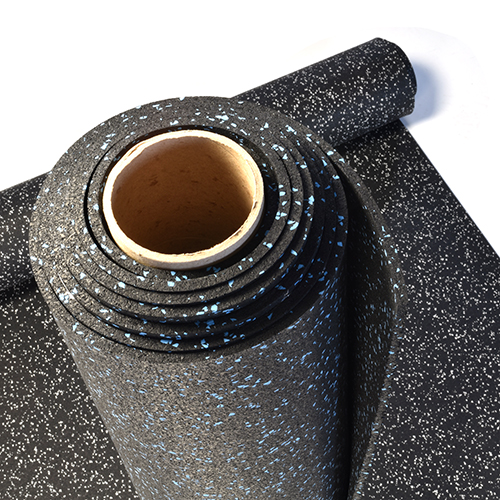
- Gym Rubber Roll 8mm – Strength Zones — ₹200 / Sq.ft
- Rubber Gym Flooring – Fleck Series — ₹250 / Sq.ft
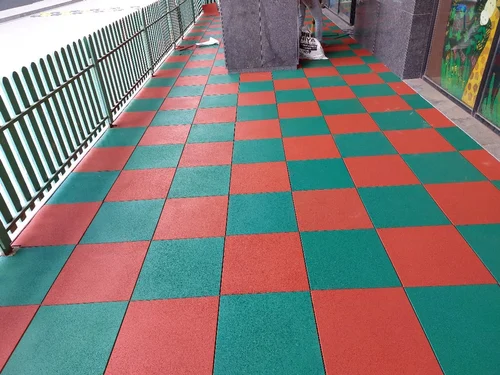
- EPDM Rubber Tiles 10mm – Colour — ₹180 / Sq.ft
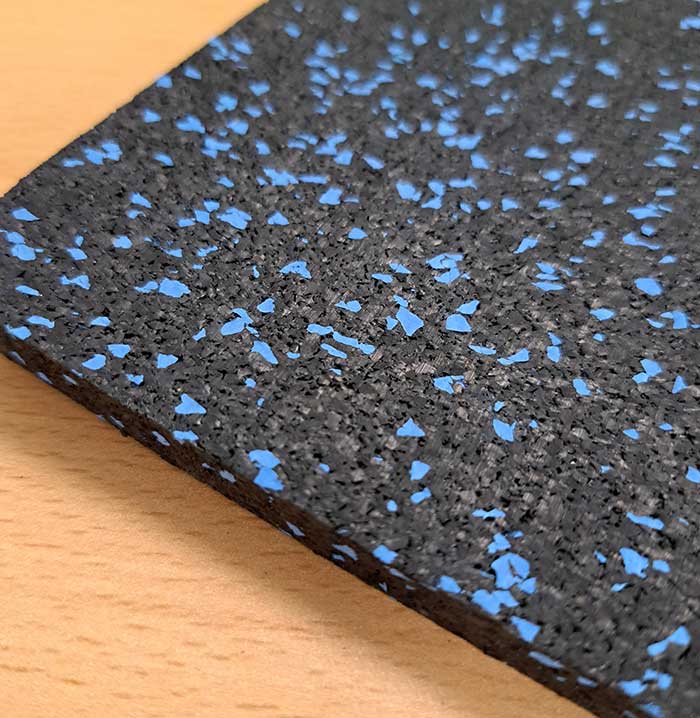
- Heavy-Duty Rubber Tiles 10mm — ₹210 / Sq.ft
- Gym Rubber Roll 6mm – Cardio Zones — ₹200 / Sq.ft
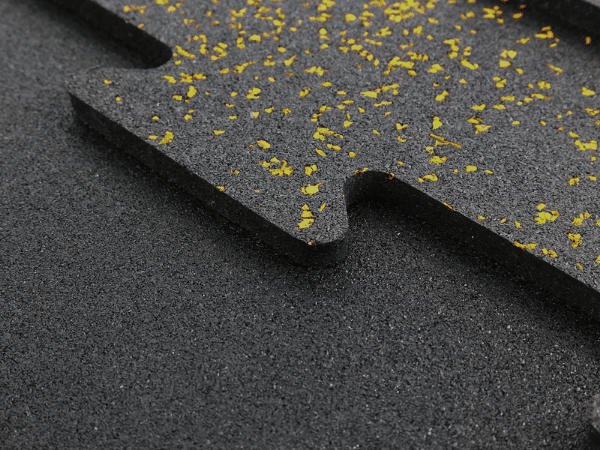
- Acoustic Rubber Underlay — ₹290 / Sq.ft
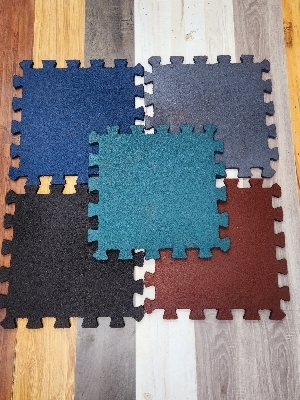
- EPDM tiles 25mm – Fall-Safe — ₹180 / Sq.ft
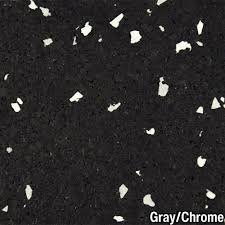
- kids play Platform Tiles 20mm — ₹280 / Sq.ft
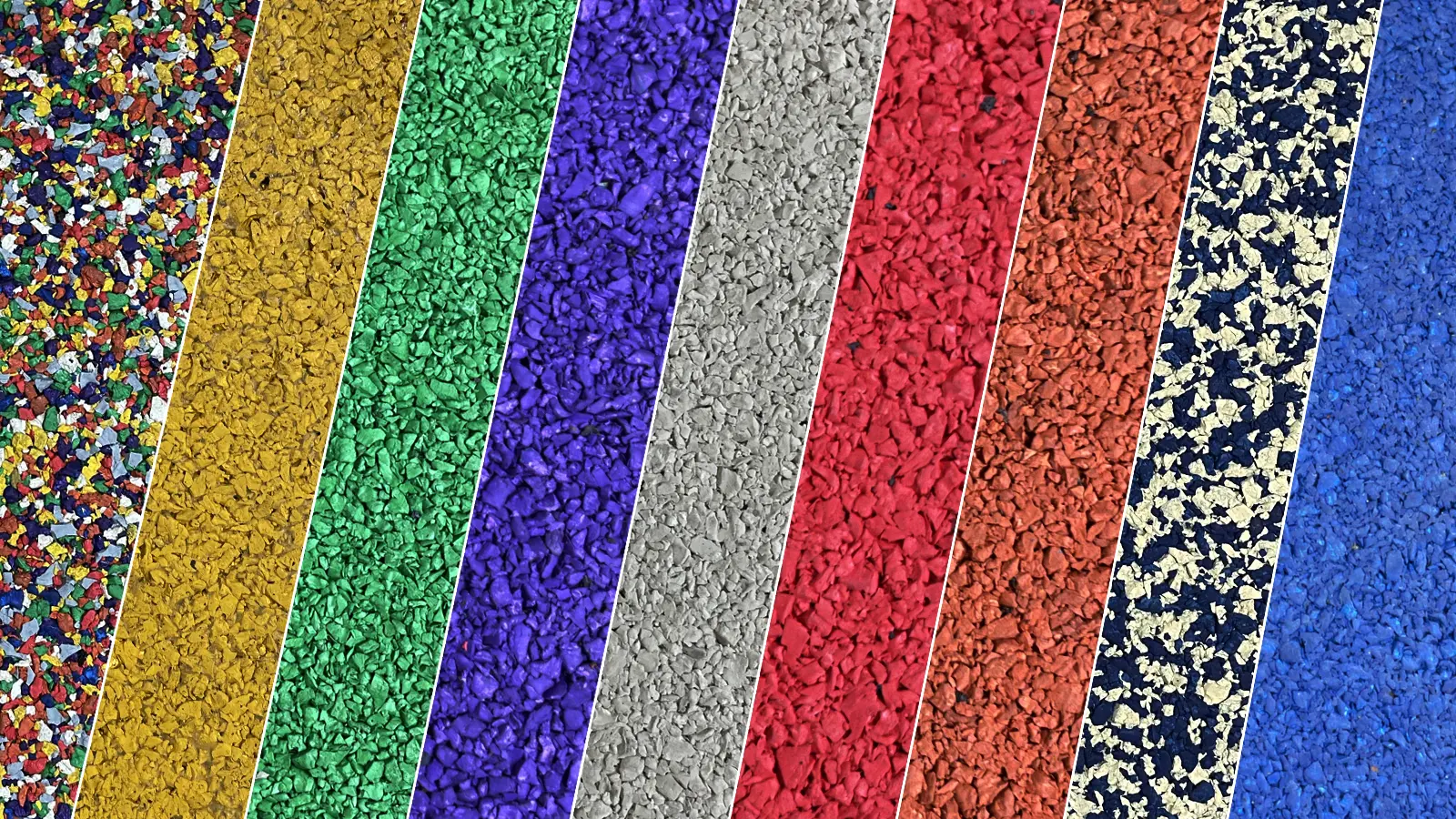
Common questions
What thickness do I need?
6 mm for cardio/machines, 8 mm under dumbbells to 50 kg, 10 mm for heavy free-weight zones, 20 mm where loaded barbells drop from overhead.
Rolls or tiles?
Rolls give fewer seams and lower cost per sq ft; tiles allow spot replacement and easier handling in finished buildings. We often mix both by zone.
What does gym flooring cost?
From ~₹155 per sq ft for 6 mm rolls to ~₹250 for 20 mm platform tiles, negotiable on area.
Will my upper-floor gym disturb the floor below?
Not with acoustic underlay — a 5–10 mm damping layer under the rubber cuts impact noise transfer by up to 25 dB.
Browse related products · Request a free quote · Call +91 90716 65688